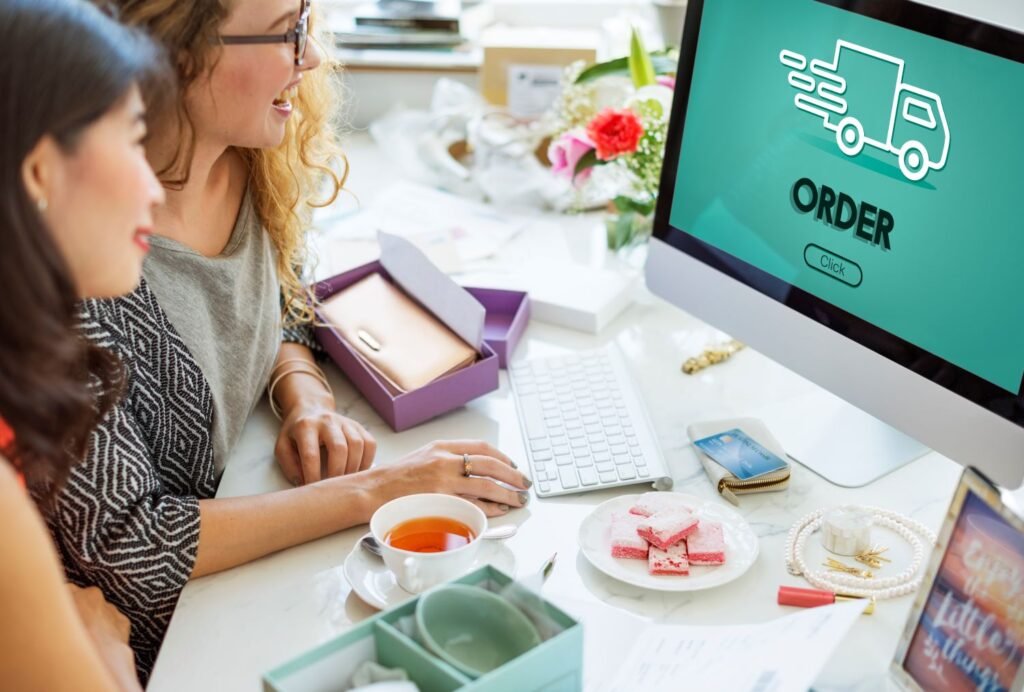
If you’ve ever thought about launching an online store in Pakistan—whether it’s for home décor, skincare tools, mobile accessories, pet products, or car gadgets—dropshipping can be one of the fastest ways to start without buying inventory upfront. The model is simple, but the execution matters. In Pakistan especially, success depends on picking the right niche, working with a reliable supplier, setting realistic delivery expectations, and handling COD (cash on delivery) like a pro.
What is dropshipping and how does it work in Pakistan?
Dropshipping is a business model where you sell products through your online store, but you don’t keep stock at home. When a customer places an order, you forward the order details to your supplier, and the supplier ships the parcel directly to your customer. You earn the difference between your selling price and your total cost (supplier price + delivery + any fees + marketing).
In Pakistan, dropshipping commonly runs in two styles. Local dropshipping uses suppliers within Pakistan and usually supports faster delivery and COD. International dropshipping uses overseas marketplaces and can offer more variety, but delivery times are longer and returns can become complicated. For most beginners targeting Pakistani customers, local fulfillment is the smoother starting point because customers here care a lot about delivery speed, parcel confirmation, and easy exchanges.
Benefits of dropshipping
Dropshipping is popular because it lowers the barrier to entry and lets you test products without investing heavily upfront. For beginners, the biggest advantages usually look like this:
- You can start without purchasing inventory in bulk, so the risk stays lower.
- You don’t need storage space or packing operations because fulfillment happens through the supplier.
- You can test multiple products quickly, keep the winners, and remove the losers without getting stuck with stock.
Drawbacks of dropshipping
Dropshipping isn’t “set and forget.” In Pakistan, the biggest challenges usually come from supplier inconsistency and COD behavior. If a supplier dispatches late, sends the wrong variant, or ships low-quality items, the customer won’t blame the supplier—they’ll blame your store. Returns, refusals, and “not picking calls” can also hurt margins if you don’t have a system to confirm orders and set expectations clearly.
Step-by-step guide to starting a dropshipping business
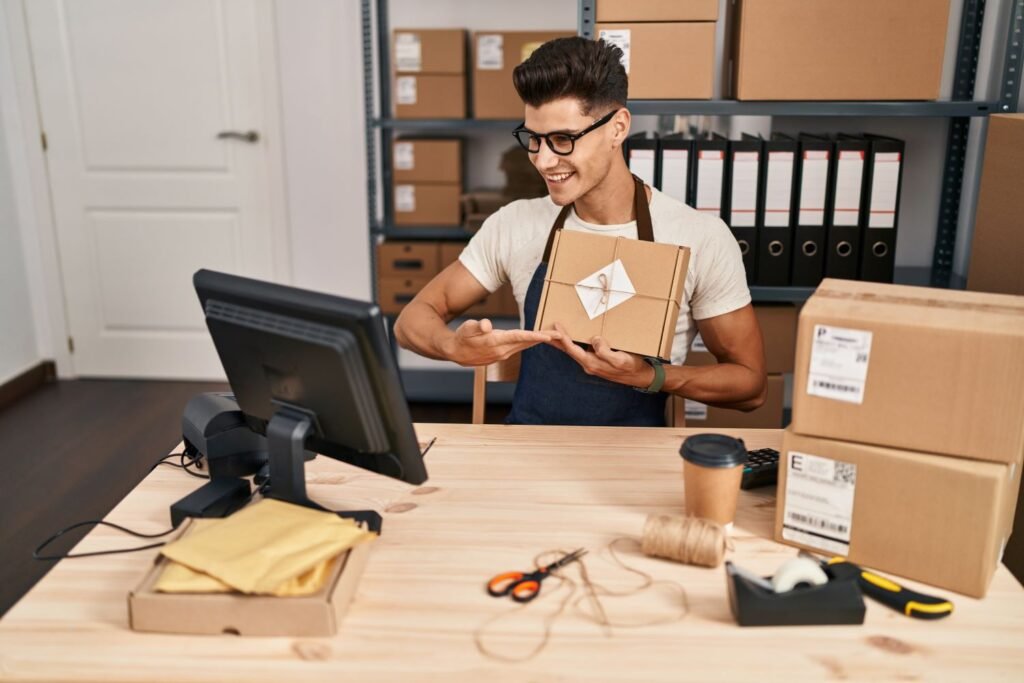
Step 1: Choose a niche
A beginner mistake is trying to sell everything. A niche makes your store easier to brand, easier to market, and more trustworthy. Your niche should be specific enough to stand out but broad enough to have many product options. For Pakistan, niches that perform well usually have three traits: people understand the need quickly, the product is easy to demonstrate in video, and the price sits in an impulse-friendly range.
Before locking your niche, validate demand using real signals. Search the niche on Google and YouTube, check how Pakistani sellers are presenting it on Instagram/TikTok, and look at marketplaces to see which items have consistent orders and reviews. If you can’t imagine making 30 days of short videos around the niche, it may be too boring or too hard to explain.
Step 2: Research competitors
Competitor research tells you what customers already accept as “normal” in your niche—pricing, delivery time, and return expectations. Look at how competitors write product titles, what kind of photos they use, how they handle FAQs, and what customers complain about in reviews. Those complaints are your easiest opportunity. If people keep mentioning “delivery late,” “product not same,” or “no response on WhatsApp,” you already know what to fix to win trust.
Step 3: Find a reliable supplier
A supplier is not just a place to buy products. In dropshipping, your supplier is part of your customer experience. Choose suppliers who can keep stock stable, dispatch on time, and handle exchanges without drama.
The most trust-building move you can make is ordering samples before selling aggressively. Samples help you verify quality, check packaging, confirm color/size accuracy, and test how long delivery really takes in major cities and smaller towns. If your supplier won’t support a clear return or exchange flow, treat that as a serious risk, especially if you plan to offer COD.
Step 4: Select and price your products
Winning dropshipping stores don’t rely on “random trendy items.” They select products that solve a problem, look good on camera, and can be explained in 10 seconds. For Pakistan, pricing must be realistic. Your selling price should not be based on “what I want to earn,” but on actual costs and market acceptance.
A practical approach is to start with a small catalog and focus on making those listings excellent: clear titles, accurate descriptions, real photos/videos, and transparent policies. Once one product starts converting consistently, expand with related items so your store feels like a real brand rather than a one-hit page.
Step 5: Understand your finances and margins
To make dropshipping profitable, you must separate revenue from profit. Revenue is total sales; profit is what remains after every expense. In Pakistan, don’t ignore hidden margin killers like delivery charges, return-to-origin costs, and ad testing spend.
The basic profit margin formula is (Revenue – Expenses) / Revenue × 100. But the real skill is tracking “expenses per order” honestly. If you’re running paid ads, add an estimated ad cost per order. If you’re doing COD, keep a buffer for refusals. When you track properly, you’ll know which products are genuinely profitable and which ones only look good on sales screenshots.
Step 6: Plan your logistics (COD, delivery, returns)
Logistics is where trust is created or destroyed. Customers in Pakistan want clarity: how long delivery takes, whether COD is available, and what happens if the product has an issue. Your store should explain delivery time ranges clearly for major cities and for remote areas, because customers notice when reality doesn’t match your promise.
Returns and exchanges must be written in simple Urdu/English mix if your audience prefers it, and the policy should be visible before checkout. If you hide policies, you may get the first order, but you’ll lose the brand long-term. Also, order confirmation is critical for COD; a simple confirmation message or call can reduce refused parcels and protect your margins.
Step 7: Set up your online presence
Dropshipping is the fulfillment method; e-commerce is your storefront. Your online presence should look reliable because trust is a ranking factor in real life and a conversion factor online. Whether you choose Shopify, WooCommerce, or even a starter setup using Instagram + WhatsApp, the goal stays the same: make your store feel legitimate.
SEO also matters. Use search-friendly product titles that match how Pakistanis search, include clear descriptions, and add a short FAQ section on key product pages. If you can add even a few helpful blog posts like “how to choose the right item” or “how to use it,” you’ll build topical authority over time.
Step 8: Market your store
Marketing works best when it matches Pakistani buying behavior. Short videos that show before/after, problem/solution, or unboxing style often drive strong clicks. If you go organic, consistency wins. If you go paid, testing wins. Paid ads are not magic; they’re a skill. Start small, test different creatives, and scale only when you see stable results.
Trust-based marketing converts better than hype. Instead of “best product ever,” show real use, real size comparison, real delivery timelines, and real customer feedback (with permission). That’s how you build a store that survives beyond one viral product.
Step 9: Manage orders and customer service
Customer support is not optional in Pakistan. Most buyers want quick responses on WhatsApp, clear tracking updates, and respectful handling if something goes wrong. Your goal is to respond fast, keep communication clear, and avoid arguments by setting policies upfront.
If you want long-term growth, keep records of complaints and returns and use them as data. If a product is causing repeated issues, remove it—even if it sells—because it will damage your reputation and raise costs over time.
Common mistakes to avoid

Most dropshipping failures aren’t because the model is bad; they’re because execution is careless. Watch out for these common traps:
- Picking products with no real demand or entering a niche that is already saturated without any unique angle.
- Setting prices without calculating true costs, then getting shocked when ads, delivery, and returns eat the margin.
- Treating customer service like an afterthought, which leads to bad reviews, refunds, and low repeat orders.
Final thoughts & next steps
Dropshipping can be profitable in Pakistan in 2026, but the winners treat it like a real business. They test samples, choose reliable suppliers, write honest policies, and build trust with clear communication. If you want a simple next step, pick one niche, shortlist a few products, order samples, and create content that demonstrates the product clearly. Build one strong offer first, then expand once you have proof it converts.
For legal and tax topics, it’s smart to consult a qualified professional in Pakistan, especially once your sales become consistent. Being transparent and compliant protects you long-term and increases trust with payment partners and customers.
FAQ
What is dropshipping?
Dropshipping is a business model where you sell online, but your supplier ships the product directly to your customer. You earn profit from the difference between your selling price and your total costs.
Do I need a registered company to start dropshipping in Pakistan?
Many beginners start small, but registration and tax obligations can apply as you grow. If you’re earning consistently, speak with a professional so you structure things correctly.
Can I start dropshipping without a website?
Yes. Many Pakistani sellers start with Instagram/TikTok and take orders on WhatsApp, then move to a website as they scale. A website usually helps with trust and long-term branding.
What payment method works best in Pakistan for beginners?
COD often converts well, but it comes with refusals and returns. If you offer COD, build an order confirmation process and keep delivery expectations realistic.
What’s the biggest mistake in dropshipping?
Selling without testing product quality and supplier reliability. A few bad experiences can ruin your page reputation fast.