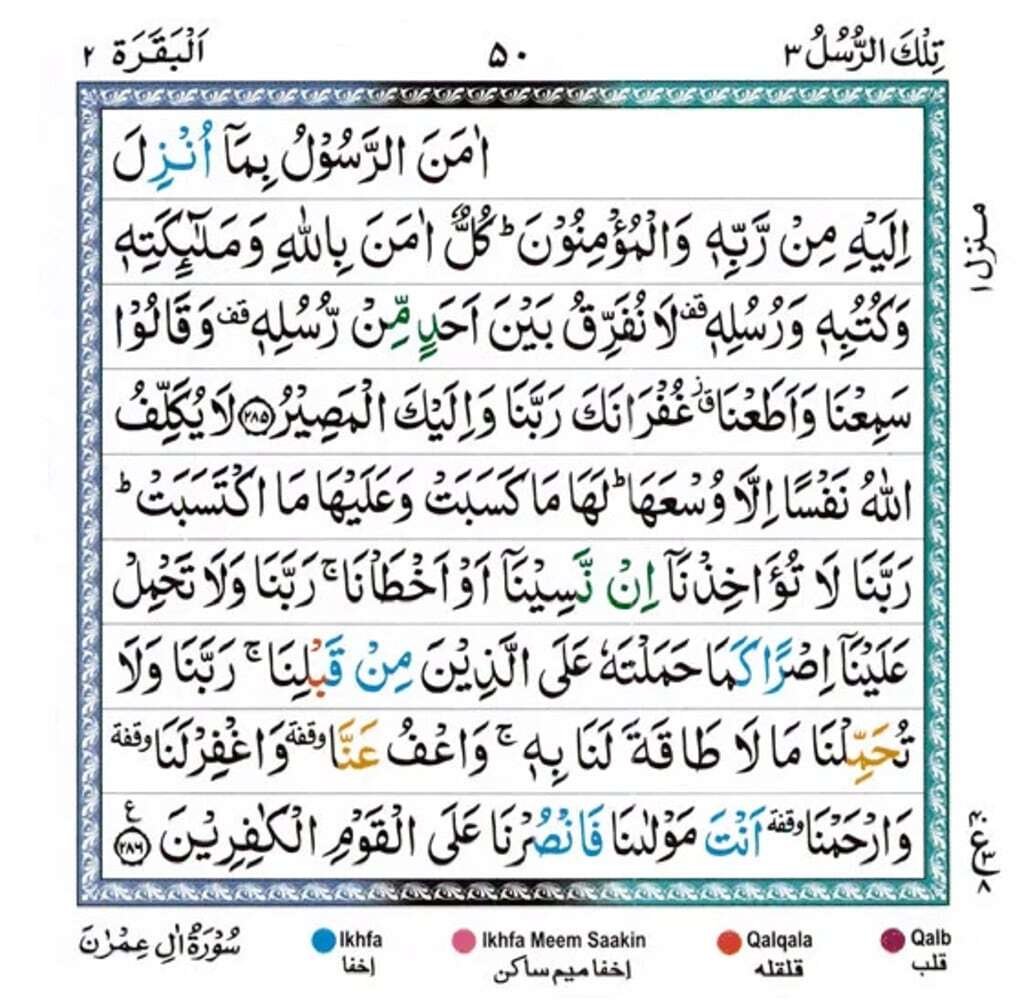
The last two verses of Surah Al-Baqarah (Ayat 285–286) are among the most powerful and beloved verses in the Qur’an. These ayat beautifully summarize the foundations of Islamic belief, include deeply moving supplications, and carry immense spiritual rewards.
The Prophet Muhammad ﷺ emphasized their importance in multiple authentic hadith. Because of their protective and spiritual virtues, Muslims around the world recite them daily—especially before sleeping at night.
In this detailed guide, we will explore:
- The English translation of Surah Baqarah 285–286
- Their theological meaning
- Authentic hadith references
- Spiritual and psychological benefits
- Why scholars recommend reciting them nightly
- Practical ways to incorporate them into your routine
Overview: Why Are These Two Verses So Important?
Surah Al-Baqarah is the longest chapter of the Qur’an, covering laws, guidance, stories of previous nations, and core principles of faith. Yet, it concludes with two verses that summarize everything a believer needs:
- Declaration of faith
- Submission to Allah
- Acknowledgment of human weakness
- Powerful du’as for forgiveness and mercy
- Assurance of Allah’s justice
These verses are not just a conclusion—they are a spiritual protection and a gift to the Ummah.
English Translation of Surah Al-Baqarah 285
“The Messenger has believed in what was revealed to him from his Lord, and so have the believers. All of them believe in Allah, His angels, His books, and His messengers. They say, ‘We make no distinction between any of His messengers.’ And they say, ‘We hear and we obey. We seek Your forgiveness, our Lord, and to You is the final return.’” (2:285)
Meaning and Reflection on Ayah 285
This verse establishes the pillars of faith (Iman):
- Belief in Allah
- Belief in Angels
- Belief in Divine Books
- Belief in All Messengers
It emphasizes that Muslims do not discriminate between prophets. Whether it is Prophet Ibrahim (AS), Musa (AS), Isa (AS), or Muhammad ﷺ, all are respected as messengers of Allah.
The phrase:
“We hear and we obey”
represents total submission. A believer does not follow divine guidance selectively but with humility and trust.
The verse ends with:
“To You is the final return.”
This reminds believers of accountability on the Day of Judgment—an essential Islamic belief.
English Translation of Surah Al-Baqarah 286
“Allah does not burden a soul beyond its capacity. It will have what it has earned and bear what it has committed. Our Lord, do not hold us accountable if we forget or make mistakes.
Our Lord, do not place upon us a burden like that placed upon those before us. Our Lord, do not impose on us what we cannot bear. Pardon us, forgive us, and have mercy on us. You are our Protector, so grant us victory over the disbelieving people.” (2:286)
Meaning and Reflection on Ayah 286
This verse contains reassurance, justice, and mercy.
1. Allah’s Justice
“Allah does not burden a soul beyond its capacity.”
This statement provides deep emotional comfort. No test, hardship, or trial is beyond a believer’s ability—with Allah’s help.
2. Personal Responsibility
Each person is accountable for their own actions—good or bad.
3. Powerful Supplications
This verse includes multiple du’as:
- Asking forgiveness for forgetfulness and mistakes
- Asking relief from heavy burdens
- Seeking pardon, forgiveness, and mercy
- Asking Allah for protection
It teaches believers how to speak to Allah with humility.
Authentic Hadith on the Virtues of These Verses
Islamic teachings about these ayat are rooted in authentic hadith sources.
1. They Suffice at Night (Sahih al-Bukhari 5009)
The Prophet ﷺ said:
“Whoever recites the last two verses of Surah Al-Baqarah at night, they will suffice him.”
Scholars interpret “suffice him” in several ways:
- Protection from harm
- Protection from Shaytan
- Sufficient reward for night worship
- Emotional and spiritual comfort
This hadith alone makes them essential for bedtime recitation.
2. A Unique Gift from Beneath the Throne (Sunan an-Nasa’i 912)
The Prophet ﷺ said:
“I was given the last two verses of Surah Al-Baqarah from beneath the Throne. No prophet before me was given them.”
This narration highlights their elevated rank. They are described as a special divine gift to Prophet Muhammad ﷺ and his Ummah.
3. Protection from Shaytan (Sunan at-Tirmidhi 2882)
The Prophet ﷺ said:
“If they are recited in a home for three consecutive nights, Shaytan will not approach that house.”
This hadith demonstrates their spiritual protective power over households.
Benefits of Reciting the Last Two Verses of Surah Baqarah
1. Protection from Evil
Reciting these verses regularly acts as a spiritual shield. Many scholars encourage reciting them before sleeping for protection throughout the night.
2. Relief from Anxiety and Stress
The phrase:
“Allah does not burden a soul beyond its capacity”
is widely quoted for emotional healing. It reminds believers that their struggles are meaningful and manageable with faith.
3. Seeking Forgiveness Daily
These verses include some of the most comprehensive du’as in the Qur’an. By reciting them, believers constantly seek forgiveness for:
- Forgetfulness
- Mistakes
- Weakness
- Sin
4. Strengthening Faith (Iman)
Ayah 285 reinforces belief in all divine revelations and prophets. Regular recitation strengthens theological awareness.
5. Spiritual Reward
According to authentic hadith, reciting them at night brings immense reward and spiritual sufficiency.
6. Protection of the Home
Based on the Tirmidhi narration, reciting these verses consistently can prevent Shaytan from entering a household.
Scholarly Perspective on These Verses
Classical scholars such as Imam Nawawi and Ibn Kathir emphasized the virtue of these ayat due to their inclusion of:
- Creed (Aqidah)
- Submission
- Supplication
- Divine mercy
- Protection
Their comprehensive nature makes them spiritually complete.
Practical Ways to Incorporate Them into Daily Life
To maximize benefit:
✔ Recite Before Sleeping
Make it part of your nightly routine.
✔ Teach Children
Encourage memorization from a young age.
✔ Reflect on Their Meaning
Understanding increases spiritual impact.
✔ Recite in Difficult Times
Especially during stress, hardship, or fear.
Conclusion
The last two verses of Surah Al-Baqarah are among the most comprehensive and spiritually powerful verses in the Qur’an. They combine belief, obedience, supplication, mercy, and protection in just two ayat.
Through authentic hadith, the Prophet Muhammad ﷺ emphasized their nightly recitation and described them as a special gift from beneath the Throne of Allah.
By making these verses part of your daily routine, you:
- Strengthen your faith
- Seek forgiveness consistently
- Protect yourself and your home
- Gain spiritual comfort
- Earn immense reward
In a world filled with stress and uncertainty, these two verses offer peace, reassurance, and divine protection.
Frequently Asked Questions
Do you have to recite them in Arabic?
Reciting in Arabic carries the reward of Qur’anic recitation. However, understanding the meaning enhances spiritual reflection.
Can they replace night prayer?
The hadith states they “suffice,” but scholars clarify this does not replace obligatory prayer.
How often should they be recited?
Ideally every night before sleeping.