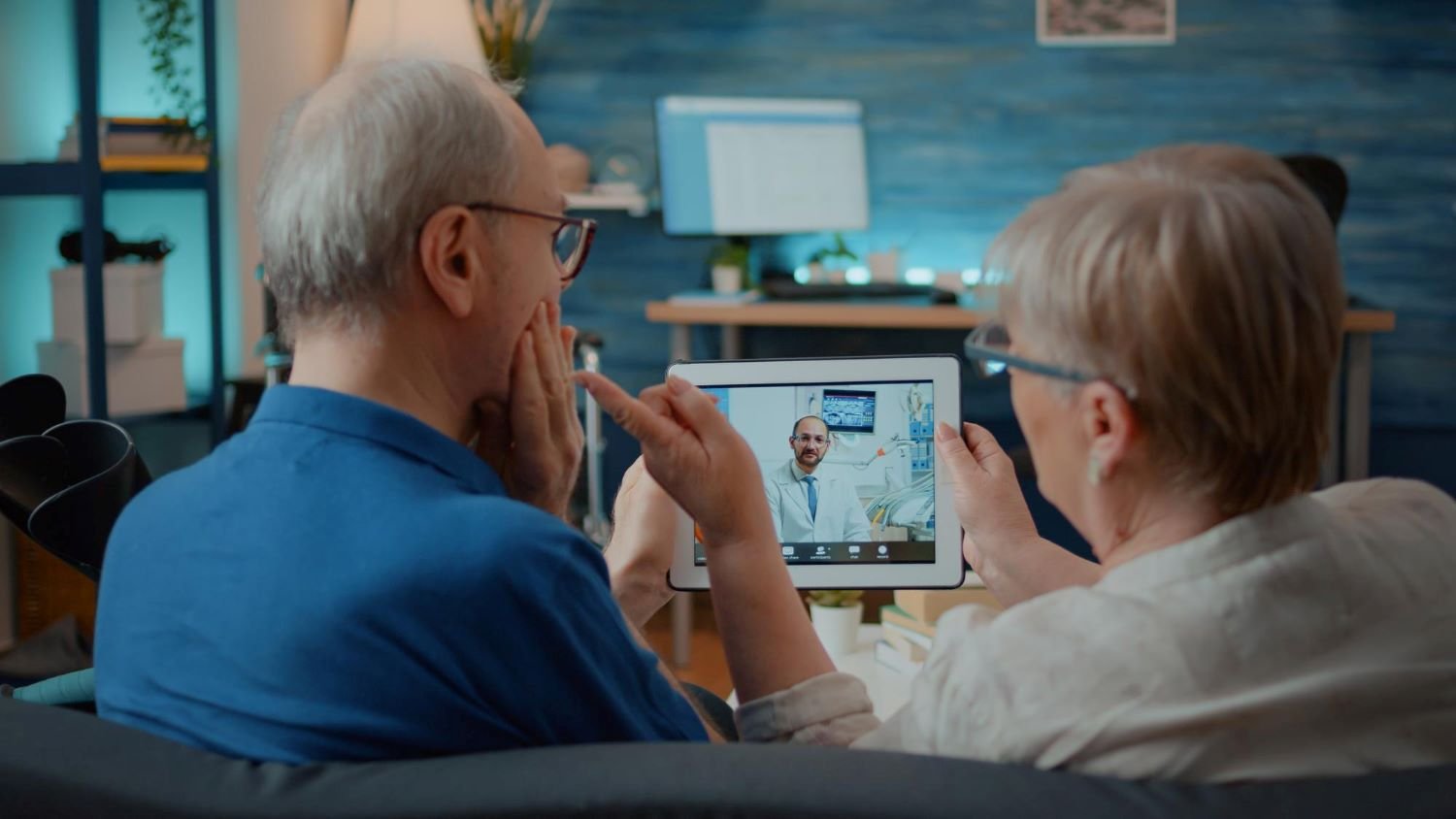
Healthcare is undergoing a major transformation. What once required frequent hospital visits can now be managed safely and effectively from home. How future healthcare technology is elevating at-home care is no longer a theoretical discussion—it’s a practical reality shaping patient outcomes, healthcare costs, and quality of life worldwide.
Driven by AI, smart devices, and remote patient monitoring technology, home care is becoming more personalized, proactive, and data-driven than ever before. In this guide, we explore how these innovations are redefining care delivery in 2025–2026 and beyond.
Table of Contents
- What Is At-Home Healthcare Technology?
- Why the Future of Home Healthcare Technology Matters
- Smart Home Healthcare Solutions Explained
- Remote Patient Monitoring Technology in Action
- AI and Automation in At-Home Care
- Real-World Use Cases and Scenarios
- Benefits for Patients, Providers, and Businesses
- Challenges and Ethical Considerations
- Future Trends Shaping Home Healthcare (2026)
- Key Takeaways
- FAQs
What Is At-Home Healthcare Technology?
At-home healthcare technology refers to digital tools, medical devices, and software platforms that allow patients to receive medical care, monitoring, and support from their own homes.
In simple terms:
It replaces reactive hospital-based care with continuous, proactive, and personalized care at home.
Core Components
- Smart medical devices (wearables, sensors)
- Telehealth platforms
- AI-powered diagnostics
- Remote patient monitoring technology
- Smart home healthcare solutions
Why the Future of Home Healthcare Technology Matters
Healthcare systems worldwide are facing unprecedented strain as rising patient demand, limited medical staff, escalating costs, and aging populations push existing care models beyond their limits.
- Aging populations
- Chronic disease prevalence
- Rising treatment costs
- Shortages of healthcare professionals
This is why how future healthcare technology is elevating at-home care has become a strategic priority for governments, providers, and insurers.
Key Drivers
- Patients prefer comfort and independence
- Hospitals aim to reduce readmissions
- Payers push for value-based care models
- Technology enables real-time health insights
Smart Home Healthcare Solutions: A New Standard of Care
Smart home healthcare solutions integrate medical technology directly into a patient’s living environment.
Examples of Smart Home Healthcare Technology
- Voice-enabled medication reminders
- Fall-detection sensors for seniors
- Smart beds tracking sleep and vitals
- IoT-connected glucose and blood pressure monitors
How They Elevate At-Home Care
- Detect health risks early
- Reduce emergency hospital visits
- Enable caregivers to intervene faster
- Support independent living for elderly patients
Remote Patient Monitoring Technology in Action
Remote patient monitoring technology (RPM) allows clinicians to track patient health continuously without in-person visits.
What RPM Monitors
- Heart rate
- Blood pressure
- Oxygen saturation
- Blood glucose levels
- Activity and mobility data
Step-by-Step: How RPM Works
- Patient uses a connected device at home
- Health data is securely transmitted to a platform
- AI flags abnormalities automatically
- Clinicians receive alerts and take action
This model significantly improves outcomes for patients with chronic conditions such as diabetes, heart disease, and COPD.
AI and Automation in At-Home Healthcare
AI is the backbone of the future of home healthcare technology.
AI-Powered Capabilities
- Predictive analytics for early diagnosis
- Automated triage systems
- Personalized treatment recommendations
- Virtual health assistants
Why this matters:
AI shifts care from reactive treatment to preventive intervention, saving lives and reducing costs.
Real-World Use Cases and Scenarios
1. Elderly Care at Home
Smart sensors detect falls, monitor sleep patterns, and alert caregivers instantly—reducing hospital admissions.
2. Chronic Disease Management
Patients with hypertension use RPM devices that alert doctors before conditions worsen.
3. Post-Surgery Recovery
Wearables track recovery metrics, allowing early discharge with continuous monitoring.
4. Mental Health Support
AI-driven apps track mood, sleep, and behavior patterns to support early intervention.
Benefits for Patients, Providers, and Businesses
| Stakeholder | Key Benefits |
| Patients | Comfort, convenience, better outcomes |
| Providers | Reduced workload, real-time data |
| Insurers | Lower costs, fewer readmissions |
| Businesses | Scalable digital healthcare models |
This is why how future healthcare technology is elevating at-home care is now a core pillar of modern healthcare strategies.
Challenges and Ethical Considerations
Despite its advantages, home healthcare technology presents challenges:
- Data privacy and cybersecurity risks
- Digital literacy barriers
- AI bias and transparency
- Regulatory compliance
Organizations must align with guidance from bodies like World Health Organization and National Institutes of Health to ensure ethical and safe adoption.
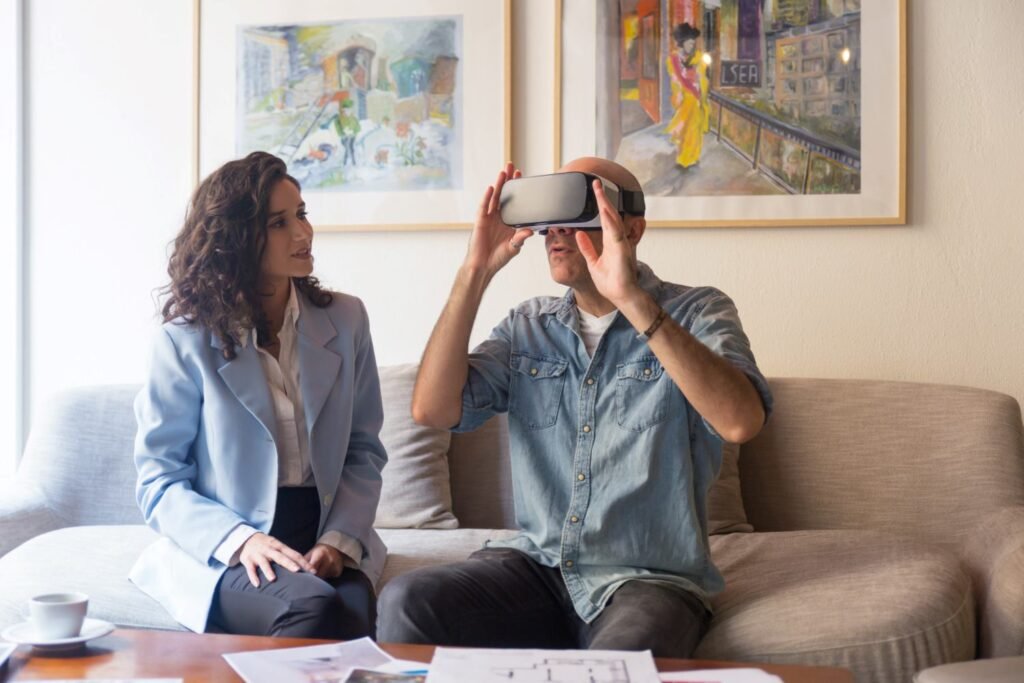
Future Trends Shaping Home Healthcare (2026)
What’s Coming Next
- AI-driven digital twins for patients
- Advanced predictive analytics
- Interoperable health data ecosystems
- Voice-first healthcare interfaces
- Expansion of hospital-at-home programs
These trends confirm that the future of home healthcare technology will be smarter, faster, and more human-centered.
Key Takeaways / Summary
- Future healthcare technology is transforming at-home care delivery
- Smart home healthcare solutions improve safety and independence
- Remote patient monitoring technology enables proactive care
- AI drives predictive, personalized healthcare
- At-home care is now a strategic priority, not a secondary option
FAQs: People Also Ask
1. How is future healthcare technology improving at-home care?
By enabling real-time monitoring, AI-driven insights, and smart home integrations that reduce hospital dependency.
2. What is remote patient monitoring technology?
It uses connected devices to track patient health data remotely and alert clinicians when intervention is needed.
3. Are smart home healthcare solutions safe?
Yes, when compliant with healthcare data security and regulatory standards.
4. Will at-home care replace hospitals?
No, but it will significantly reduce unnecessary hospital visits and admissions.