Introduction
The Federal Board of Revenue (FBR) has issued a strict warning to textile spinning units in Pakistan.
If they fail to install the “Digital Eye” system, they could face serious penalties. These include import bans, blacklisting, fines, and even business closures.
This move aims to stop tax evasion and improve transparency in the textile sector.
What Is the “Digital Eye” System?
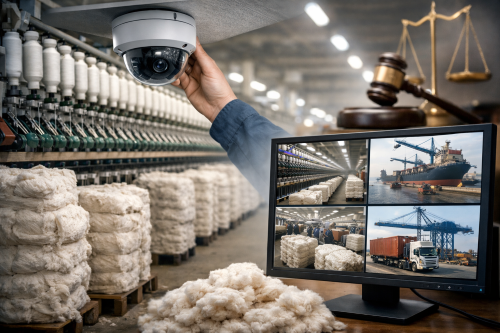
The Digital Eye is a video analytics monitoring system. It tracks how cotton bales are used in textile spinning units.
Its main goal is to stop underreporting. In the industry, this practice is often called “Gol Maal.”
Key Features
- Tracks cotton movement in real time
- Records production and inventory
- Connects with tax reporting systems
- Detects irregularities automatically
This system helps ensure that all cotton usage is properly recorded and taxed.
Why FBR Is Enforcing This System
Pakistan’s textile industry uses about 13 million cotton bales each year.
However, only 9 million bales are reported in the tax system. The remaining 4 to 5 million bales are unaccounted for.
This gap leads to major revenue losses.
Main Problems
- Unreported local consumption
- Undocumented imports
- Sales tax evasion
- Weak monitoring systems
The Digital Eye system is designed to fix these issues.
Deadline Has Passed — No More Extensions
The FBR had already given enough time to comply.
- First deadline: November 1, 2025
- Extended deadline: December 31, 2025
Now, the deadline has passed.
FBR has clearly stated: no further extensions will be given.
Current Industry Status
- Total registered units: 421
- Operational units: around 300
All operational units must comply immediately.
Penalties for Non-Compliance
Textile units that ignore the rules will face strict action.
Possible Consequences
- Import bans on raw materials
- Blacklisting of the business
- Suspension of sales tax registration
- Heavy fines
- Closure of factories
These penalties can seriously impact business operations.
Incentives for Compliant Units
The FBR is also offering benefits to encourage compliance.
Benefits Include
- Tax credits for installation costs
- Technical support
- Simplified compliance process
A joint committee has also been formed to monitor implementation and assist the industry.
Industry Reaction and Legal Challenge
The All Pakistan Textile Mills Association (APTMA) opposed the Digital Eye system.
They raised concerns about privacy and operational challenges.
APTMA challenged the policy in the Lahore High Court.
However, the court did not stop the FBR from enforcing the system.
Impact on Pakistan’s Textile Industry
The Digital Eye system could change how the textile sector operates.
Positive Effects
- Better tax compliance
- More transparency
- Increased government revenue
- Fair competition
Challenges
- Higher setup costs
- Resistance from smaller units
- Technical difficulties
Overall, the policy is expected to modernize the industry.
What Textile Units Should Do Now

To avoid penalties, businesses should act immediately.
Action Steps
- Install the Digital Eye system
- Connect it with tax reporting
- Maintain accurate records
- Seek technical help if needed
Quick compliance can prevent legal and financial problems.
Conclusion
The FBR has taken a strong step to improve tax compliance in Pakistan’s textile industry.
With strict penalties and no further extensions, the message is clear:
Compliance is no longer optional.
Textile units must adopt the Digital Eye system or risk serious consequences.
FAQs
What is the Digital Eye system?
It is a monitoring system that tracks cotton usage to prevent tax evasion.
What happens if a unit does not comply?
It may face import bans, fines, blacklisting, or closure.
Are there benefits for compliance?
Yes, including tax credits and technical support.
Why is FBR implementing this system?
To reduce tax evasion and increase transparency in the textile sector.