2026 Winter Olympics Snowboard Halfpipe Explained: Scoring, Event Dates & Star Riders
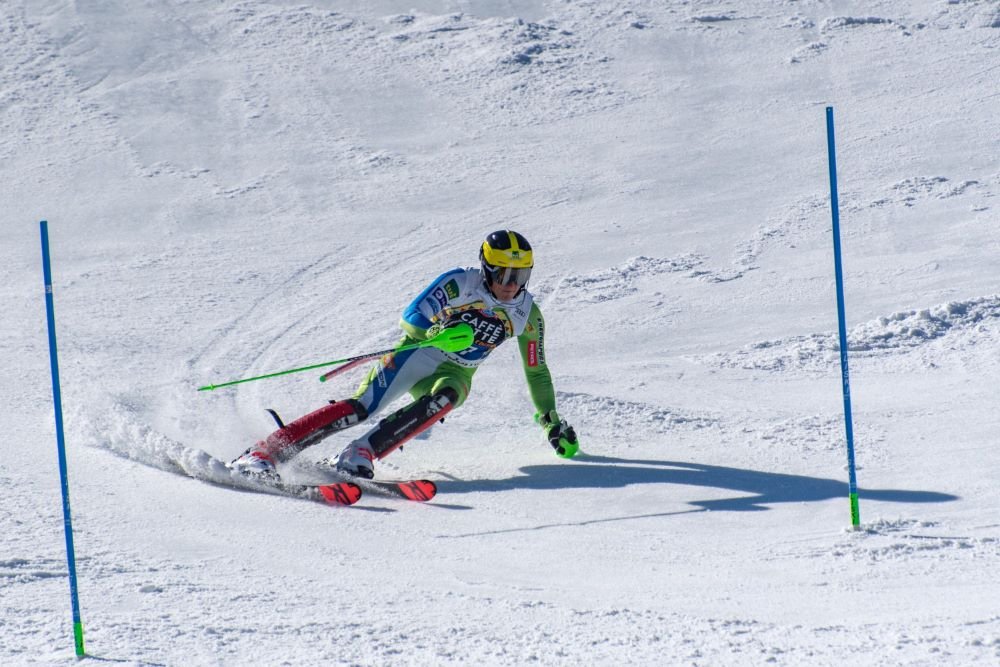
Snowboard halfpipe Olympics 2026 is set to be one of the most thrilling disciplines at the Winter Games, combining elite athleticism, aerial innovation, and razor-sharp judging. As fans prepare for the 2026 Winter Olympics, halfpipe snowboarding is drawing massive global attention due to higher walls, progressive tricks, and a new generation of riders pushing the sport forward.
This in-depth guide covers everything you need to know—from the halfpipe scoring system Olympics judges use, to the 2026 Winter Olympics halfpipe schedule, and the famous snowboarders halfpipe 2026 fans should watch closely.
Table of Contents
- What Is Snowboard Halfpipe at the Olympics?
- Snowboard Halfpipe Olympics 2026: Event Overview
- Halfpipe Scoring System Olympics Explained
- 2026 Winter Olympics Halfpipe Schedule (Expected)
- Famous Snowboarders Halfpipe 2026 to Watch
- How Athletes Prepare for Olympic Halfpipe
- Why Snowboard Halfpipe Is Bigger in 2026
- FAQs
- Key Takeaways & Summary
What Is Snowboard Halfpipe at the Olympics?
Snowboard halfpipe is an Olympic freestyle event where riders perform a sequence of aerial tricks while traveling from wall to wall inside a massive U-shaped snow structure.
Key characteristics:
- Riders complete one continuous run
- Each run lasts 20–25 seconds
- Athletes launch above the pipe walls, performing spins, flips, and grabs
- Judges score based on overall impression, not individual tricks
Featured snippet definition:
Snowboard halfpipe is an Olympic event where athletes perform high-difficulty aerial tricks in a U-shaped snow structure, judged on amplitude, difficulty, execution, and flow.
Snowboard Halfpipe Olympics 2026: Event Overview
The Snowboard Halfpipe Olympics 2026 will take place during the 2026 Winter Olympics, hosted across Italy’s alpine venues.
Event categories:
- Men’s Snowboard Halfpipe
- Women’s Snowboard Halfpipe
What’s new for 2026:
- Higher pipe walls (up to 7.2 meters)
- Enhanced judging calibration using slow-motion replay
- Greater emphasis on run creativity, not just trick difficulty
- Younger riders debuting ultra-technical combinations
According to guidelines from the International Olympic Committee, judging standards have been refined to reduce score compression and reward originality.
Halfpipe Scoring System Olympics Explained
Understanding the halfpipe scoring system Olympics judges use helps viewers appreciate why certain runs win gold.
How Olympic halfpipe scoring works:
Judges award a single overall score (0–100) based on five criteria:
| Scoring Factor | What Judges Look For |
| Amplitude | Height above the pipe walls |
| Difficulty | Complexity of spins & tricks |
| Execution | Clean landings, stability |
| Variety | Different tricks & directions |
| Progression | Innovation and originality |
Important scoring notes:
- Falls significantly reduce scores
- Repeating tricks lowers variety points
- Back-to-back high-amplitude tricks boost overall impression
💡 Pro insight: In 2026, judges reward flow and rhythm more than isolated big tricks—a key evolution from earlier Olympics.
2026 Winter Olympics Halfpipe Schedule (Expected)
The official 2026 Winter Olympics halfpipe schedule will be released closer to the Games, but based on previous Olympics, the timeline is expected to follow this structure:
Tentative schedule format:
- Qualification rounds: Early competition days
- Semi-finals: Mid-week
- Finals & medal runs: Prime-time weekend slots
Broadcasters like NBC Olympics are expected to prioritize halfpipe finals due to high global viewership.
📌 Tip for fans: Medal runs typically air during evening local time to maximize international audiences.
Famous Snowboarders Halfpipe 2026 to Watch
The famous snowboarders halfpipe 2026 lineup blends Olympic veterans with rising stars.
Athletes likely to dominate:
- Defending Olympic medalists with consistent 90+ scores
- Teen phenoms landing double cork 1440s and 1620s
- Riders known for clean execution over raw risk
What separates top contenders:
- Ability to adjust runs mid-competition
- Consistency under pressure
- Clean landings in final hits
🔍 Real-world insight: In recent World Cup events (2025 season), judges favored riders who finished strong, making the last two hits crucial in Olympic finals.
How Athletes Prepare for Olympic Halfpipe
Elite snowboarders train years for the Snowboard Halfpipe Olympics 2026.
Typical Olympic prep includes:
- Off-season trampoline training for aerial awareness
- Airbag landing systems to safely learn new tricks
- Video analysis using frame-by-frame breakdowns
- Mental coaching for competition pressure
Many teams now use AI-assisted trick analysis tools to measure rotation speed, grab duration, and landing angles—an emerging 2026 trend.
Why Snowboard Halfpipe Is Bigger in 2026
Snowboard halfpipe continues to grow due to:
- Viral social media clips
- Increased youth participation
- Gender-equal media coverage
- More technically advanced snowparks
For beginners, halfpipe is now one of the best entry points into understanding freestyle snowboarding because judging criteria are transparent and viewer-friendly.
Frequently Asked Questions (FAQs)
1. How many runs do snowboarders get in Olympic halfpipe?
Athletes usually get 2–3 runs, with only the best score counting.
2. What is a good Olympic halfpipe score?
Scores above 85 are competitive; 90+ typically medal-worthy.
3. Are men’s and women’s halfpipe judged differently?
No. The same judging criteria apply to both events.
4. Where can I watch Snowboard Halfpipe Olympics 2026?
Coverage will be available via official Olympic broadcasters and digital platforms worldwide.
Key Takeaways / Summary
- Snowboard halfpipe Olympics 2026 will showcase the most progressive riding in Olympic history
- Judges score runs based on overall impression, not single tricks
- Higher pipes and refined judging increase fairness and excitement
- Fans should watch for creative, high-amplitude runs, not just risky tricks
- Understanding the scoring system enhances the viewing experience