2026 Winter Olympics Men’s Snowboarding Slopestyle: Complete Expert Guide
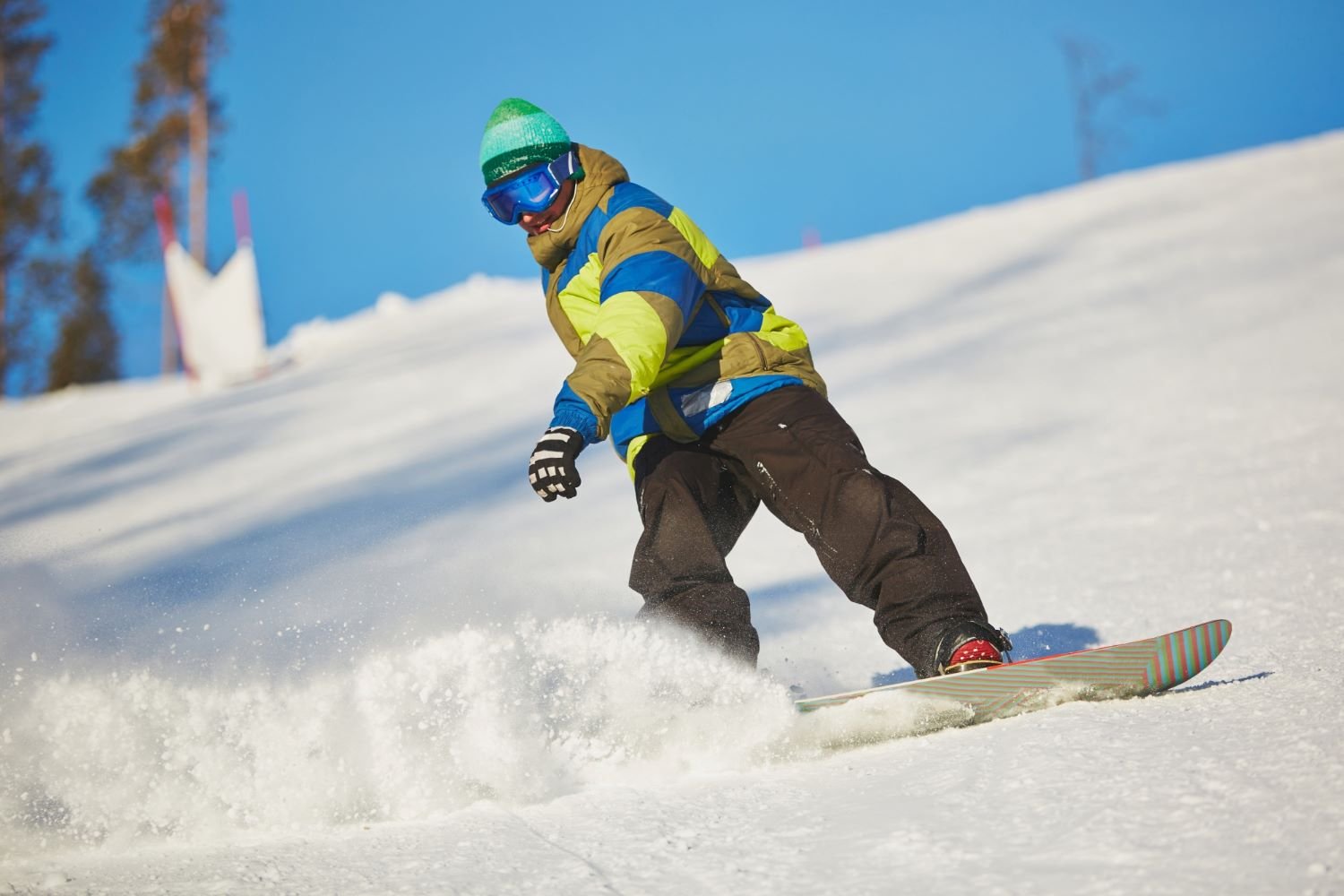
The 2026 Winter Olympics Men’s Snowboarding Slopestyle is set to be one of the most technically demanding and visually explosive events of the Winter Games. Combining creativity, amplitude, rail mastery, and big-air precision, men’s slopestyle represents the cutting edge of competitive snowboarding in 2026.
With the Winter Games heading to 2026 Winter Olympics, this discipline will showcase a new generation of elite athletes, evolving judging criteria, and course designs that push progression while prioritizing rider safety.
This guide is designed for informational search intent, targeting beginners and snowboarding enthusiasts, and delivers a complete, up-to-date breakdown of the event—from rules and format to medal predictions and emerging trends.
Table of Contents
- What Is Men’s Snowboarding Slopestyle?
- Evolution of Slopestyle at the Olympics
- Olympics Snowboard Slopestyle Rules (2026 Update)
- Competition Format & Scoring System
- Course Design Trends for 2026
- Top Male Snowboarders to Watch in 2026
- Men’s Slopestyle Medal Predictions 2026
- How Athletes Prepare for Olympic Slopestyle
- Key Takeaways
- FAQs
What Is Men’s Snowboarding Slopestyle?
Men’s snowboarding slopestyle is a judged freestyle event where riders perform a single run through a course featuring:
- Rails and technical jib sections
- Massive kickers for aerial tricks
- Multiple trick combinations in one continuous run
How It’s Judged (Quick Answer)
Judges evaluate:
- Difficulty
- Execution
- Amplitude
- Variety
- Overall impression
This scoring structure makes slopestyle one of the most subjective—but also most exciting—Olympic snowboarding events.
Evolution of Slopestyle at the Olympics
Slopestyle debuted at the Olympics in 2014 and has evolved rapidly since then. By 2026:
- Trick combinations are more complex
- Athletes regularly land quad cork rotations
- Rail tricks now include spins in and out
- Style and flow matter more than sheer rotation count
Judging panels, guided by the International Olympic Committee, have refined criteria to balance progression with fairness.
Olympics Snowboard Slopestyle Rules (2026 Update)
Core Rules Explained
The Olympics snowboard slopestyle rules for 2026 focus on consistency and athlete safety:
- Riders typically get 2–3 runs
- Best run counts toward the final score
- Falls significantly reduce scores
- Repeated tricks are penalized
- Clean landings are critical
Judging Breakdown Table
| Criteria | Weight in Scoring |
| Difficulty | High |
| Execution | Very High |
| Amplitude | Medium–High |
| Variety | Medium |
| Style & Flow | Increasingly Important |
2026 trend: Judges reward creativity over repetition, encouraging riders to innovate rather than copy winning formulas.
Competition Format & Scoring System
Typical Olympic Slopestyle Structure
- Qualification Round
- Final Round
- Best score wins (no cumulative scoring)
Scores usually range from 0–100, with winning runs often landing in the 85–95 range at Olympic level.
Course Design Trends for 2026
Olympic slopestyle courses in 2026 reflect lessons learned from past Games:
- Bigger but safer jump transitions
- Modular rail sections for creativity
- Smoother speed management between features
Designers aim to let riders showcase progression without forced risk, a direct response to athlete feedback from 2018 and 2022 Games.
Top Male Snowboarders to Watch in 2026
Several elite athletes are expected to shape the 2026 Winter Olympics Men’s Snowboarding Slopestyle podium race:
- Red Gerard – Known for clutch Olympic performances and technical consistency
- Mark McMorris – One of the most decorated slopestyle riders in history
- Yuki Kadono – A technical innovator with unmatched rail precision
Dark horses: Young riders from Japan and Scandinavia with cutting-edge trick libraries could disrupt podium expectations.
Men’s Slopestyle Medal Predictions 2026
While Olympic slopestyle remains unpredictable, expert analysis suggests:
Likely Medal Contenders
- Gold: Rider with highest trick difficulty and clean execution
- Silver: Most creative line with strong flow
- Bronze: Consistent technical rider avoiding major errors
Key factor in 2026: Execution under pressure. Finals often come down to who lands their hardest run clean.
How Athletes Prepare for Olympic Slopestyle
Elite Olympic snowboarders now follow year-round preparation cycles:
Training Breakdown
- Snow training: 4–6 months
- Trampoline & air awareness: Year-round
- Strength & conditioning: Injury prevention focus
- Mental training: Visualization and pressure management
Real-World Use Case
Top riders simulate Olympic finals by training with:
- Limited run counts
- Judges present
- Broadcast-style pressure environments
This mirrors real competition stress and improves performance consistency.
Key Takeaways
- The 2026 Winter Olympics Men’s Snowboarding Slopestyle represents peak freestyle progression
- Judging emphasizes creativity, execution, and flow more than ever
- Course design in 2026 balances safety with innovation
- Medal outcomes hinge on clean landings under pressure
Frequently Asked Questions (FAQs)
1. How many runs do snowboarders get in Olympic slopestyle?
Typically 2–3 runs, with only the best score counting.
2. What tricks score highest in 2026?
High-rotation corks combined with technical rail entries and exits.
3. Is slopestyle more difficult than halfpipe?
Slopestyle demands greater technical variety, while halfpipe emphasizes amplitude and consistency.
4. Do judges favor style or difficulty?
In 2026, balanced runs outperform purely technical ones.
5. Where can I watch official updates?
Follow coverage via Olympics channels.