PSL Expansion Auction: Eight Teams, New Cities, and a Decade-Long Shake-Up
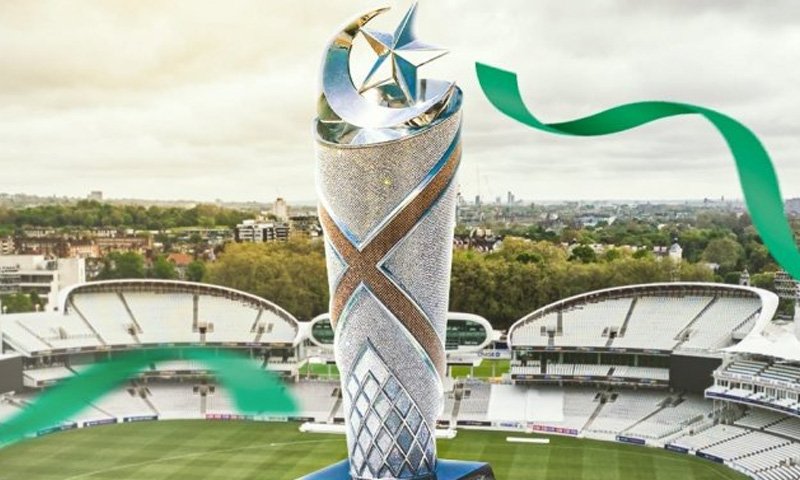
Pakistan Super League is about to hit a turning point—and it’s not happening on the field. Today’s franchise auction is set to redefine the PSL’s future as the league officially prepares to expand from six teams to eight starting with its eleventh season, PSL 11. If you’ve been waiting for new rivalries, fresh team identities, and a wider national footprint, this is the moment that could kick it all off.
This isn’t just another business headline. It’s the start of a new chapter for Pakistan’s premier T20 league—one that could reshape where the PSL is played, who owns it, and how fans connect with it for the next decade.
Why this auction matters
PSL has grown rapidly since its launch, and the move from six to eight teams is a clear sign the league is ready to scale. Expansion means more matches, more players, and more opportunities for domestic talent. But beyond the cricket, it also means bigger investment, bigger planning, and bigger expectations from the Pakistan Cricket Board (PCB).
The franchises up for grabs won’t be short-term deals either. The winning bidders will secure franchise rights for ten years, running all the way until 2035. That kind of timeline gives owners enough room to build a brand, grow a fanbase, develop a cricketing structure, and create long-term commercial partnerships.
In other words: whoever wins today isn’t just buying a team—they’re buying a decade of influence in Pakistan’s biggest T20 product.
How the bidding process will work
The auction itself follows a structured route:
- A reserve price will be announced first, setting the minimum valuation required to open bidding.
- Bidding will then begin among ten pre-qualified corporate contenders, ensuring the process stays limited to serious, vetted participants.
This approach signals the PCB is aiming for stability—owners who have both the financial strength and operational capacity to run a modern sports franchise, not just win a flashy auction.
Corporate competition is heating up
One of the biggest stories going into the auction is just how much corporate interest it has attracted. The bidder list includes a mix of industrial giants, telecom players, tech-driven companies, and major developers—showing how valuable PSL visibility has become for businesses across sectors.
Confirmed bidders include:
- M Next
- Dharki Sugar Mills
- FKS
- Prism Developers
- Mobilink Jazz
- I2C
- Walee Technologies
- Vego Tel
With strong names involved, the bidding environment is expected to be intense. And because the franchises come with long-term rights, every bidder is likely looking at this as both a sports investment and a brand-building platform.
The city factor: where the new teams could land
Here’s where things get even more interesting.
The PCB has identified a shortlist of potential home cities for the new franchises:
- Faisalabad
- Gilgit
- Hyderabad
- Muzaffarabad
- Rawalpindi
- Sialkot
And there’s a major twist: the franchise with the highest successful bid gets the “first right to choose” its host city from this list.
That’s a powerful advantage. The city isn’t just a location—it affects everything:
- local fanbase size and passion
- sponsorship and partnership potential
- stadium infrastructure and readiness
- travel logistics and operations
- long-term identity and branding
A well-chosen home city can define a franchise’s entire personality. It can also determine how quickly a new team becomes “real” to fans, because in T20 leagues, belonging matters as much as performance.
Want a different city? There’s a price
The PCB is leaving a door open for franchises that want to base themselves outside the official shortlist—but with conditions.
If a winning bidder selects a city not on the PCB’s list, they must pay an additional fee to the board.
This rule does two things at once:
- It keeps the PCB’s expansion plan structured and manageable.
- It still allows ambitious bidders to propose alternative markets—if they’re willing to pay extra for it.
So yes, flexibility exists. But it isn’t free.
The additional financial requirement: USD 1.25 million affiliation fee
On top of the auction bid itself, every new franchise owner must also pay a one-time affiliation fee of USD 1.25 million to the PCB.
That’s an important detail because it reinforces the reality of franchise ownership: the auction price isn’t the only cost. Owners must also prepare for long-term spending—team salaries, staff, travel, marketing, media, fan engagement, operations, and more.
In a league that is increasingly entertainment-driven and brand-focused, running a franchise is a full ecosystem, not a seasonal commitment.
What this means for PSL fans
For fans, expansion is more than a number—it’s a chance for the PSL to feel bigger, more inclusive, and more nationally representative.
Two new teams could mean:
- new hometown loyalties in regions that haven’t had teams before
- new rivalries based on geography and identity
- more slots for emerging Pakistani players
- a larger, more competitive talent pool
- increased variety in matchups and storylines
And perhaps most importantly: it can bring the PSL closer to fans who’ve always supported the league from a distance—because when a team represents your city or your region, the league stops being “something on TV” and starts feeling personal.
The bigger picture
Today’s auction isn’t just about adding teams—it’s about expanding the PSL’s footprint for the next decade.
With long-term rights through 2035, serious corporate contenders, a strategic city selection process, and a clear financial framework, the PCB is positioning this expansion as a structured, high-stakes evolution of the league.
If the bidding goes as expected, the PSL will soon have new owners, new cities, and a much larger stage—and the ripple effects could reshape Pakistan’s T20 landscape for years.
One thing is certain: when PSL 11 arrives, the league won’t just be bigger. It’ll be different.
If you want, tell me the audience (general fans vs business readers) and the tone (formal, punchy, hype, or analytical), and I’ll tailor the blog version accordingly.